

Residential lighting
Garden lighting
A garden is walked through, often in the dark. Light guides without lighting every plant: it marks a path, an edge, a step.
The starting point
The garden is walked.
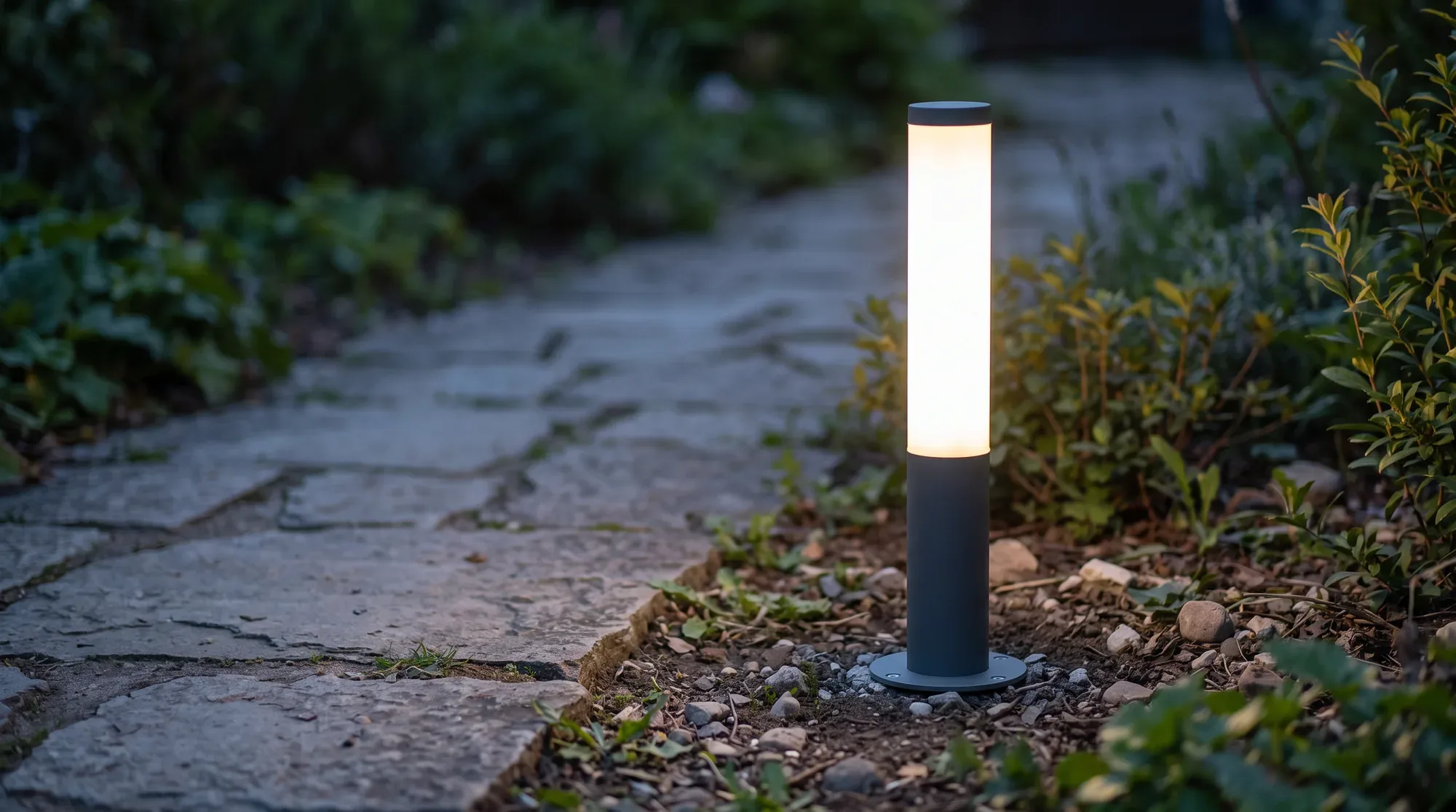
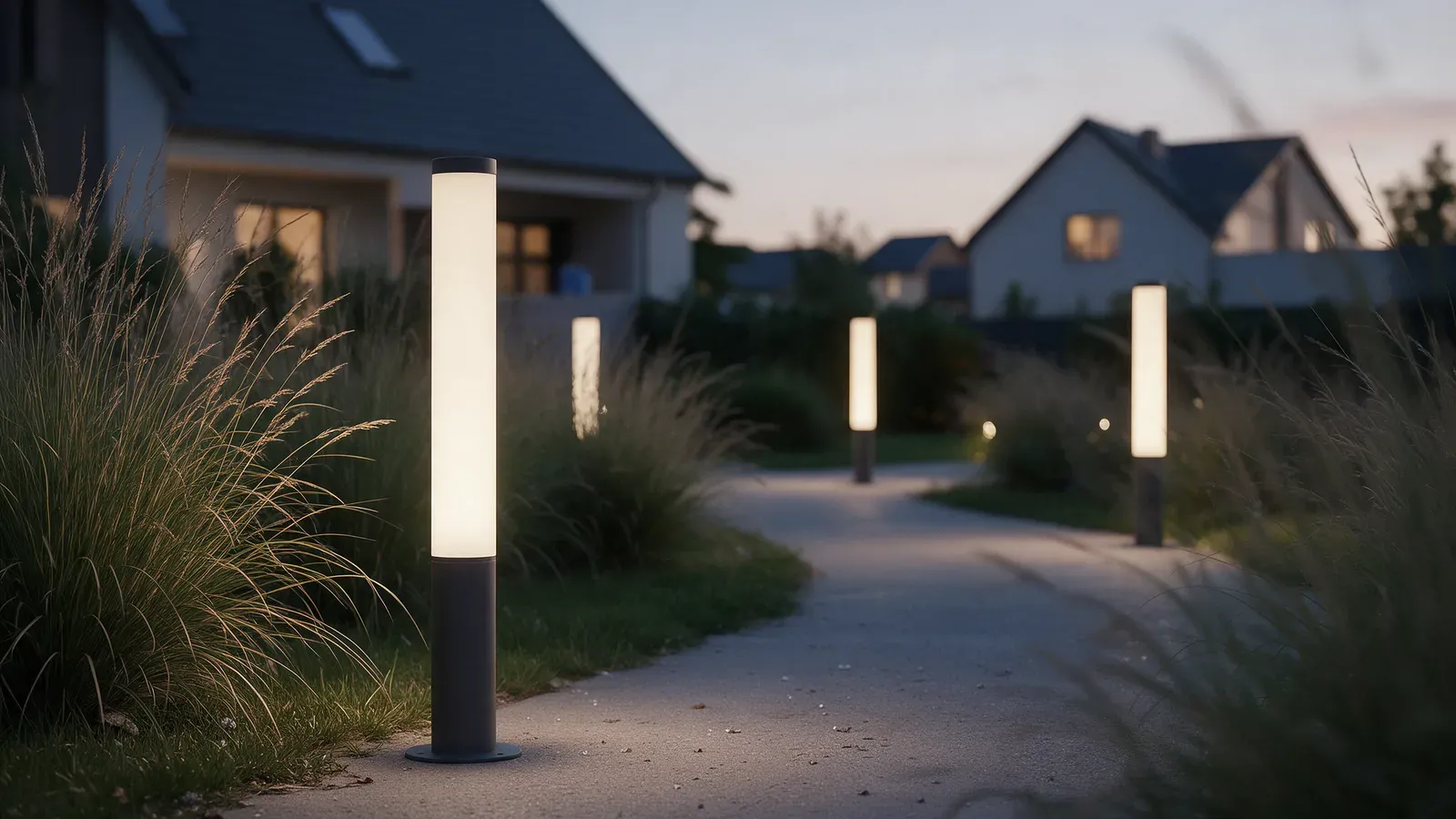
A garden is not lit like a living room. Light drops to ground level, follows the footsteps and leaves the planting in a chosen half-light.
- Path
- Planting
- Ground
What is lit
Paths, steps and the edges of the terrace come first. They must remain legible without turning the garden into a drive.
Planting, trees and low walls can receive supporting light. Part of the garden stays deliberately dark.
What the project decides
Topography, surfaces and planting define where a fitting can sit. Gravel, stone and lawn are not treated in the same way.
Exposure, seasons and maintenance matter: a recessed solution must remain accessible and workable for the garden.
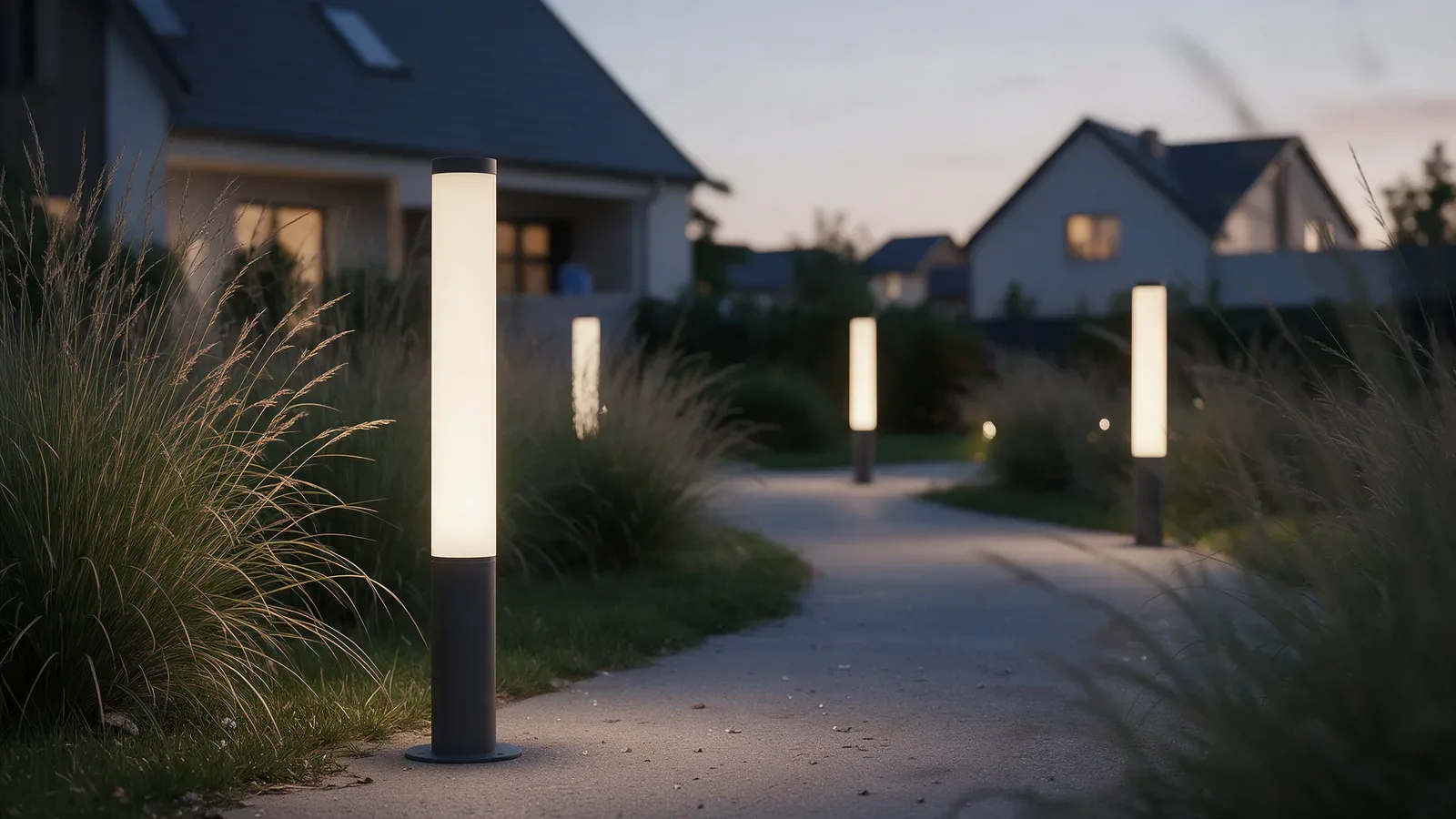
In a garden, light is judged close to the path: what the foot can tell matters more than what is seen from afar.
How it is approached
The work starts from the site plan, the routes and the planted areas. Crossing points, level changes and accesses are identified first.
Alternatives are then compared for how discreet the source is, how safe the path feels and how easy it is to maintain.
What to avoid
- Lighting every plant, aiming projectors at trees by default and leaving sources visible at eye height.
- Too much light in a garden erases relief and tires the eye. Restraint makes the path more legible.
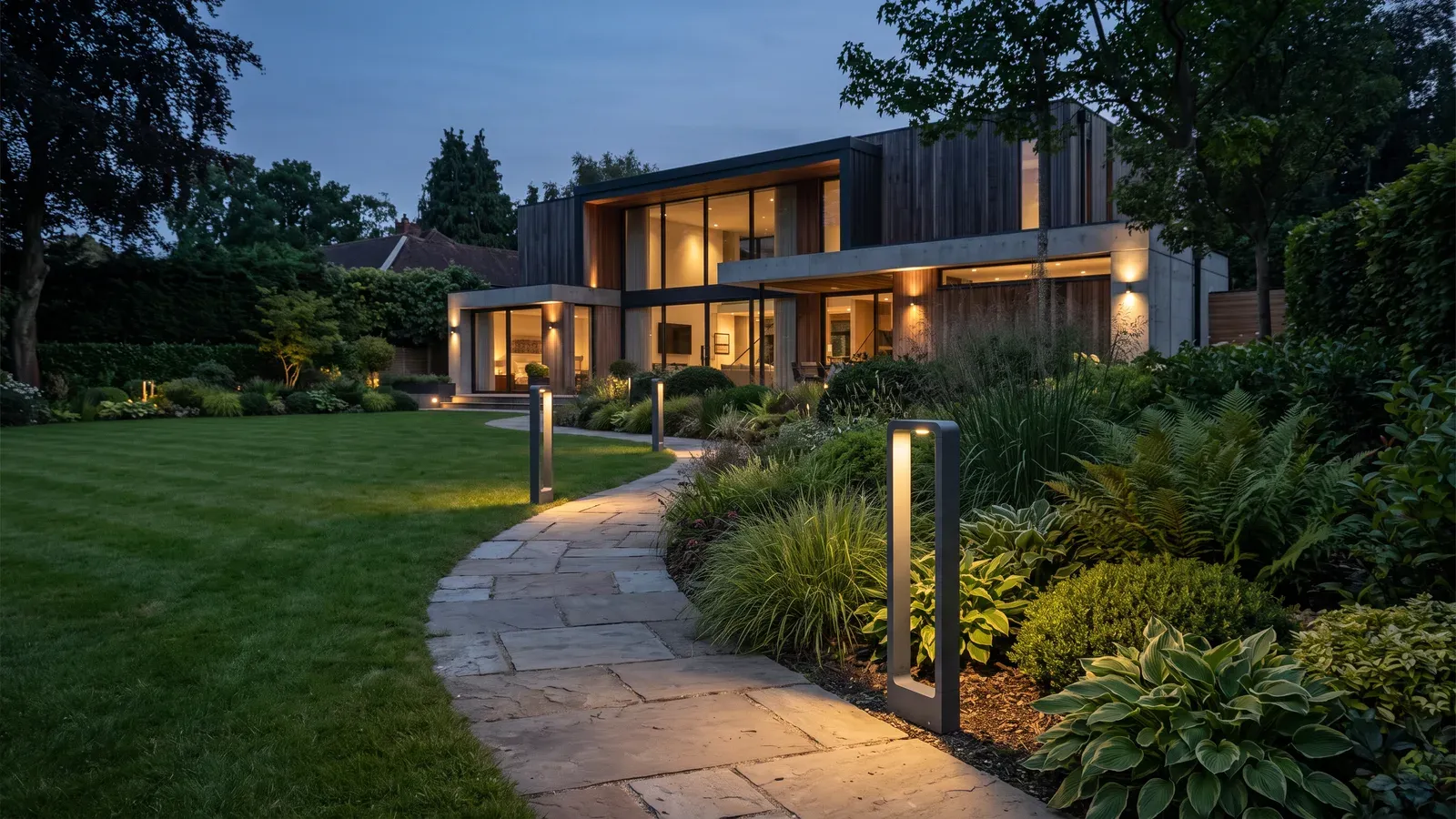
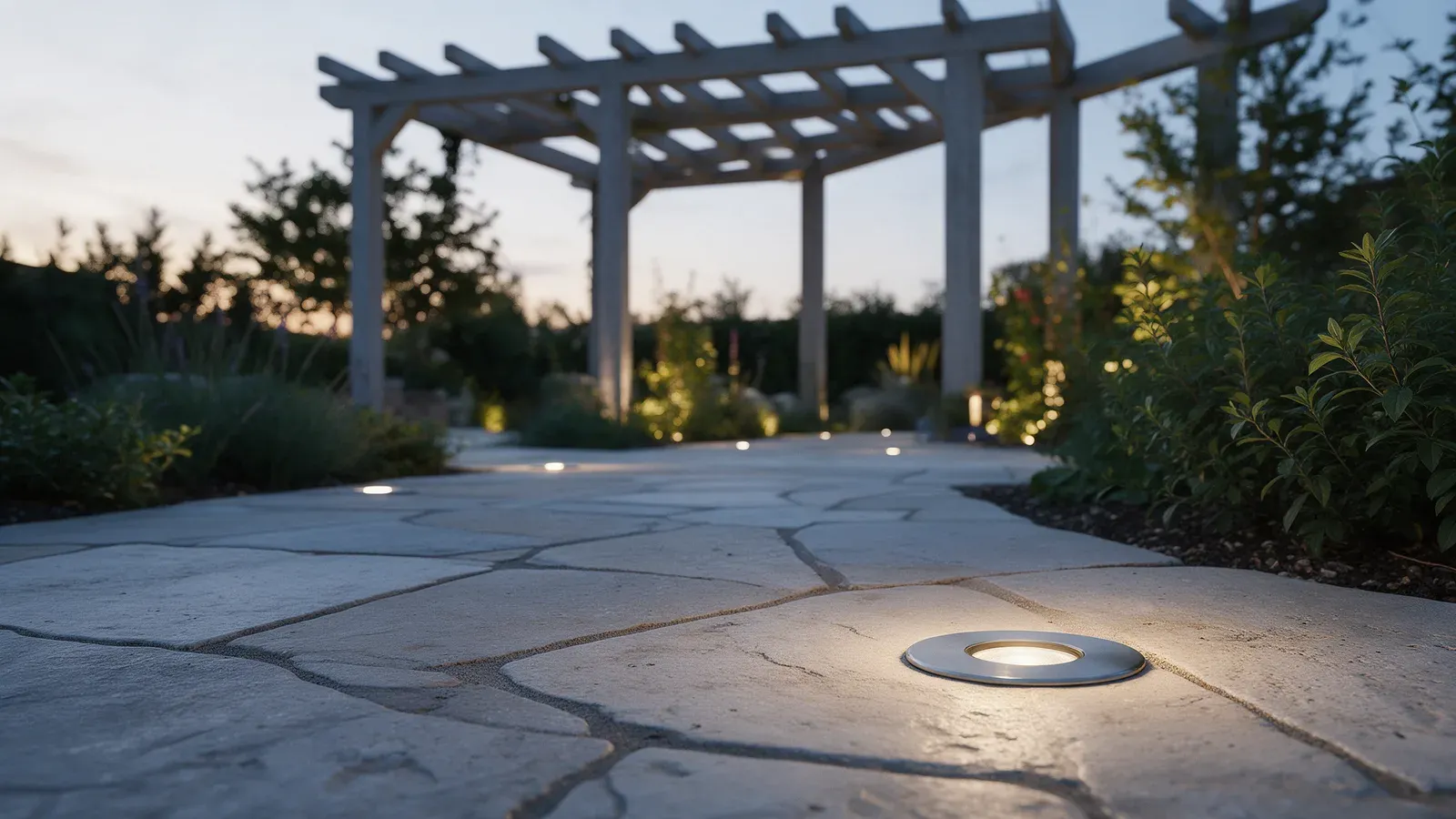
From the path to the terrace.
Real Tualuce catalogue families. The choice is defined with the project team.
What about your project?
From architectural intent to selecting solutions, talk to Tualuce about your spaces and how they will be used.
The context
State whether it is a new-build or refurbishment project, along with the spaces involved and intended uses.
The integrations
Identify the ceilings, joinery and outdoor areas that need to be considered.
The project information
Gather available plans, known constraints and useful information before the discussion.
Frequently asked questions
Which parts of the garden should be lit first?
Paths, steps and the immediate surroundings of the house. The rest of the garden follows according to use and views.
How can glare be limited?
By placing sources low and avoiding aiming them at the eyes or the street. Position and orientation are defined with the site plan.
Is garden maintenance taken into account?
Yes. Recessed or low-level fittings must remain accessible for cleaning and replacement without damaging the planting.
From the site plan to the path
Tualuce brings together the solutions and the technical discussion to prepare the lighting for your garden.
Explore Tualuce solutions